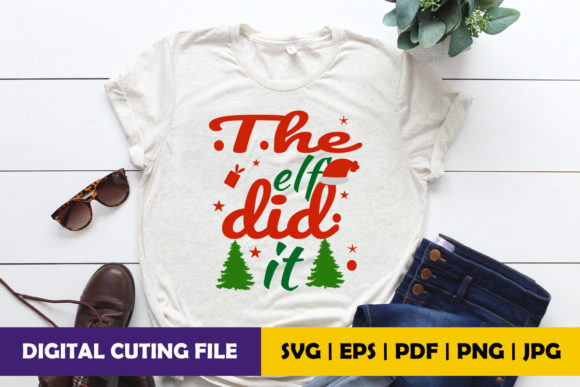
The Elf Did It: A Designer's Review for Holiday Stitching
As we move into the busiest season for craft business owners and hobbyists alike, finding the right design assets can make or break a product line. I recently pulled The Elf Did It from a digital collection to evaluate its potential for real-world application. When you are running a small shop or managing custom orders for clients, you cannot afford to gamble on graphics that look cute on a screen but fail under the needle. This review breaks down how this specific graphic translates from a digital embroidery file to a tangible, high-quality finished product.
First Impressions and Visual Personality
Upon opening the file, the immediate impression of The Elf Did It is one of playful mischief. The layout suggests a narrative element, which is crucial for holiday-themed items where storytelling drives sales. The typography appears bold enough to hold its own, while the accompanying graphical elements offer just enough detail to be interesting without becoming a stitching nightmare. For an Etsy seller looking to stand out in a saturated market, this balance is vital. The design does not scream "generic clipart"; instead, it feels like a custom illustration ready for translation into thread.
The mood created here is lighthearted and festive, perfect for breaking the tension of formal holiday decor. It fits naturally into the Crafts category but leans heavily into the personalization aspect of modern gifting. Whether you are aiming for a rustic farmhouse vibe or a bright, pop-color aesthetic, the core structure of this graphic seems adaptable. However, as a designer, my first thought is always about how these lines will behave when converted into satin stitch, fill stitch, or running stitch depending on your digitizing preferences or the pre-digitized state of the file.
Real-World Application Scenarios
To truly test the viability of The Elf Did It, I visualized several specific projects that are staples for December revenue. The most obvious candidate is a sweatshirt embroidery project. Imagine a heather grey crewneck with this design stitched in red and green thread across the chest. The scale of the text relative to the graphic element suggests it would sit comfortably on adult apparel without overwhelming the garment.
Beyond apparel, this design shines as a tote bag design. Canvas bags are incredibly popular for holiday shopping, and a witty phrase like this adds immediate value to a simple utility item. I can also see this working beautifully as an embroidered patch. If you digitize or purchase a version optimized for patches, the defined edges of the elf motif could create a striking iron-on accessory for jackets or hats. For those focusing on home goods, a kitchen towel or apron featuring this graphic makes for an excellent hostess gift, turning a standard handmade product into a conversation starter.
For baby embroidery, caution is required regarding size and placement, but a scaled-down version on a onesie or bib could be adorable. The key is ensuring the "mischief" theme lands as cute rather than chaotic for infant wear. In a commercial setting, this graphic serves as a strong anchor for boutique branding, allowing shops to create cohesive holiday collections that feel curated rather than mass-produced.
Technical Considerations and Fabric Challenges
While the artistic merit is clear, the technical execution requires careful planning. One of the primary concerns with any text-heavy or detailed graphic is the stitch density. If the original file is dense, it may cause puckering on lightweight fabrics. Before committing to a client's expensive garment, it is imperative to test the design on scrap fabric that matches the weight and weave of your final material.
Textured fabrics present another hurdle. If you are stitching The Elf Did It onto a waffle knit or a heavy terrycloth towel, the underlying texture can distort fine details. In these cases, using a robust stabilizer is non-negotiable. A cut-away stabilizer is often safer for items that will undergo frequent washing, ensuring the design remains crisp over time. Conversely, for a custom apparel piece made of stretchy jersey, a tear-away might suffice, but only if the stitch count is low enough to prevent the fabric from gathering.
Dark fabrics require special attention to thread choice. To maintain the visibility of the elf character and the legibility of the text, you must ensure high contrast between the thread colors and the background. A black sweatshirt might need a white or light grey outline to prevent the design from getting lost in the shadows. Additionally, curved surfaces like caps demand a different approach; the center of the design must align perfectly with the cap's seam, and the width must fit within the available hoop size without hitting the brim or side panels.
Navigating Small Details and Lettering
The phrase "The Elf Did It" contains small lettering that demands precision. Tiny text can easily become illegible if the stitches are too thick or if the fabric shifts during stitching. If you are using this as an applique design, ensure the fabric edges are sealed properly to prevent fraying around the small curves of the letters. If it is a standard fill, check the underlay stitching. Good underlay acts as a foundation, lifting the top threads slightly off the fabric surface for better clarity and durability.
When evaluating this for commercial embroidery projects, consider the washability. Items like kitchen towels and baby clothes face rigorous cleaning cycles. Dense areas should be checked for potential thread breaks, and sharp corners in the design should be inspected to ensure they do not pull out after multiple washes. A quick pull-test on your sample piece can save you from a customer complaint later.
Enhancing Value and Professionalism
Ultimately, the success of The Elf Did It in your inventory comes down to presentation. A well-executed stitch job elevates the perceived value of the item. Customers are willing to pay a premium for personalized gifts that look professional and durable. This design, when handled with care, contributes to brand consistency. It signals to your buyers that you understand seasonal trends but prioritize quality execution.
For digital product sellers, offering this as part of a bundle with mockups can increase engagement. Creating printable mockup images that show the design on various textures helps customers visualize the end result, reducing hesitation at checkout. However, always remember to verify the licensing terms provided by the creator. The description mentions files for "yourself, friends family, or anyone who supports your Special days Occasions," but commercial rights for resale as a physical good versus a digital download can vary. Confirming these details protects your small shop product line from legal issues.
Final Verdict for Makers
In conclusion, The Elf Did It is a versatile asset for the holiday season, bridging the gap between whimsical fun and structured design. It holds significant potential for holiday embroidery projects ranging from cozy sweaters to functional home decor. Success lies in the preparation: testing on scraps, choosing the right stabilizer, and respecting the limitations of your machine and fabric. By treating this graphic with the technical rigor it deserves, you can transform a simple Graphics file into a best-selling item that brings joy to your customers and reliability to your brand.
Before you start stitching, take a moment to review the specific file specifications provided in the download. Check the recommended hoop dimensions and thread chart if available. If these details are missing, reach out to the designer or perform your own digitizing adjustments to ensure optimal performance. With the right approach, this design can be a standout star in your winter collection.