Sweet Like Pumpkin Pie: A Designer's Review for Fall Embroidery
As we move into the autumn season, the demand for cozy, warm aesthetics skyrockets in the craft world. I recently took a close look at the Sweet Like Pumpkin Pie design to see if it holds up under the scrutiny of a professional embroidery project. When you are running a small shop or creating personalized gifts, you cannot afford to waste thread or fabric on a graphic that looks good on a screen but fails on the hoop. This review breaks down how this specific graphic translates from a digital file to a tangible, stitched reality.
First Impressions and Visual Personality
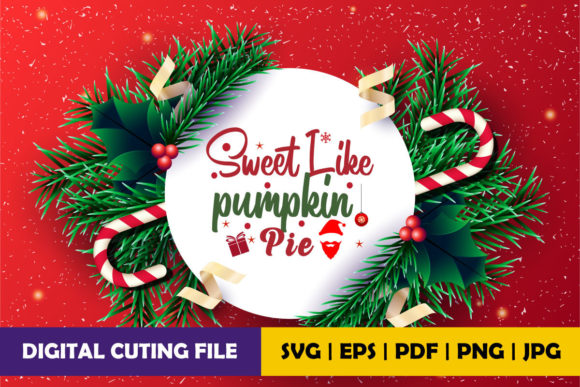
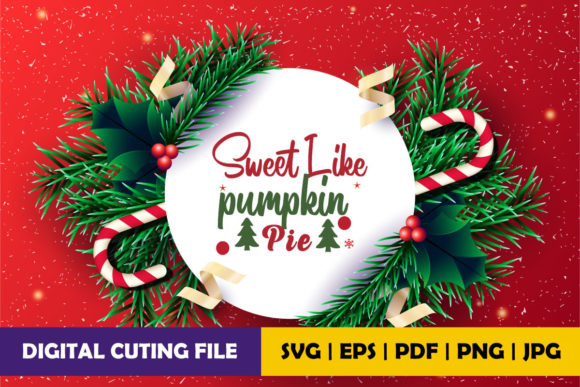
Upon opening the file, the immediate mood is one of comfort and nostalgia. The theme leans heavily into the classic fall harvest vibe, which is perennially popular for holiday embroidery and boutique apparel. The layout feels balanced, suggesting that the original artist understood how shapes need to flow when converted into stitches. For a designer, the visual personality here is key; it is not just a picture of a pie, but an invitation to warmth. This makes it an ideal candidate for handmade products intended to evoke feelings of home and family.
The detail level appears moderate, which is often the sweet spot for versatility. It is not so intricate that it requires microscopic precision, yet it has enough character to stand out as a focal point. Whether you are aiming for a rustic look with a running stitch outline or a more polished finish with satin stitch borders, the underlying structure of Sweet Like Pumpkin Pie seems adaptable. However, because this is categorized under Crafts and Graphics, it is vital to remember that what you see on the monitor is a vector or raster image, not yet a machine embroidery design. You will need to ensure you have the correct digitized version or plan your digitizing strategy carefully.
Real-World Application Scenarios
To truly test the viability of this design, I imagined a specific real-life scenario: preparing a custom order for a local bakery that wants branded aprons and tote bags for their staff during the Thanksgiving rush. In this context, Sweet Like Pumpkin Pie shines as a branding element. Placed on the chest pocket of a canvas apron, the design offers immediate recognition. The curves of the pie imagery would work beautifully against the structured weave of canvas, provided the stitch density is managed correctly to prevent puckering.
Beyond commercial use, consider the Etsy seller looking to expand their custom apparel line. This graphic is perfect for sweatshirt embroidery. Imagine a heather grey crewneck with the design stitched in warm oranges, browns, and creams on the left chest or centered on the back. The "sweet" aspect of the title suggests it could also transition well into the nursery market. A baby embroidery project, such as a bib or a onesie, could utilize a scaled-down version of this graphic. Parents love seasonal items for their little ones, and a pumpkin pie motif is far more unique than the standard jack-o'-lantern.
For those creating embroidered patches, the bold shapes within Sweet Like Pumpkin Pie would hold up well when cut out and merrowed. Patches are a huge trend in craft business circles right now, offering a low-risk way to test new designs without committing to full garment production. Furthermore, for digital product sellers, this graphic serves as an excellent base for printable mockups. Showing potential clients how the design looks on a tote bag design or a pillow cover can significantly boost buyer engagement before they even purchase the finished item.
Navigating Fabric and Hoop Challenges
While the design is charming, practical application requires caution. Not every fabric is a friend to every graphic. If you are working with stretchy fabrics like jersey knits for t-shirts, you must be vigilant about using the right stabilizer. Without proper support, the weight of the stitching in a dense area like a pie crust could cause the fabric to warp over time. Similarly, textured fabrics like thick wool blankets might obscure finer details. In these cases, simplifying the stitch types or increasing the size of the hoop size to allow for better stabilization might be necessary.
Dark fabrics present another consideration. If you are stitching Sweet Like Pumpkin Pie onto a navy blue hoodie or a black cap, thread color contrast becomes your most important tool. You may need to adjust the thread colors from the default suggestion to ensure the design pops. Lighter threads on dark backgrounds require precise tension control to avoid shadowing. Additionally, curved surfaces like caps can distort circular or wide designs. If the graphic is too wide, it might wrap awkwardly around the front panel of a hat. Always measure your available stitching area against the dimensions of the design file.
Small details and tiny lettering, if present in the specific variation of the graphic you choose, can be problematic on small hoop sizes. If the design includes text saying "Sweet Like," ensure the font is thick enough to be stitched clearly. Thin letters often break or become illegible after a few washes. For products that need frequent washing, such as kitchen towels or aprons, durability is paramount. A design with excessive fill stitch might become stiff; balancing it with open stitch patterns can maintain the softness of the finished product.
Enhancing Brand Value and Professionalism
Using a well-chosen design like Sweet Like Pumpkin Pie directly impacts customer trust and brand consistency. When a client receives a personalized gift or a piece of small shop product merchandise that looks professionally executed, it reinforces the value of your work. Sloppy stitching or inappropriate fabric choices can undermine even the cutest graphic. Conversely, a crisp, clean execution of this design on a high-quality blank elevates the perceived value of the item, allowing you to command higher prices in the marketplace.
For commercial embroidery projects, consistency is key. If you are producing a run of fifty shirts, the design must stitch out reliably every single time. This is where testing comes in. Before committing to a large order, stitch a sample on the exact fabric you intend to use. Check how the light hits the satin stitch areas versus the matte fill areas. Does it look cohesive? Does it feel comfortable against the skin? These tactile elements are what turn a one-time buyer into a repeat customer.
Essential Notes for the Practical Designer
Before you load this file into your machine, keep these practical steps in mind to ensure success:
- Test on Scrap Fabric: Never skip the test stitch-out. Use a scrap piece of the actual garment material to check for puckering or registration issues.
- Check Thread Contrast: Verify that your chosen thread colors provide enough contrast against the fabric background, especially for dark garments.
- Review Stitch Density: If the design feels too heavy, consider editing the density in your embroidery software to prevent fabric distortion.
- Confirm Hoop Size: Ensure the design fits comfortably within your available hoop, leaving room for clamping without stitching over the frame.
- Inspect Small Details: Zoom in on the digital preview to identify any tiny elements that might not stitch out cleanly.
- Mockup in Black and White: Convert your preview to grayscale to check the value contrast independent of color.
- Use Proper Stabilizer: Match your stabilizer type (cut-away, tear-away, water-soluble) to the fabric texture and garment purpose.
- Verify Licensing: Since this is a graphic from a store, confirm whether the license allows for commercial embroidery or if it is for personal use only before selling finished items.
In conclusion, Sweet Like Pumpkin Pie offers a delightful aesthetic that fits perfectly into the autumn repertoire of any creative entrepreneur. Whether you are an Etsy seller expanding your catalog or a hobbyist making gifts for family, the potential here is significant. However, the difference between a good product and a great one lies in the execution. By respecting the limitations of your materials and paying attention to the technical details of the embroidery file, you can transform this graphic into a standout design asset that delights customers and strengthens your brand. Always remember to check the specific file formats and terms provided by the creator to ensure you are using the digital embroidery file correctly for your specific needs.