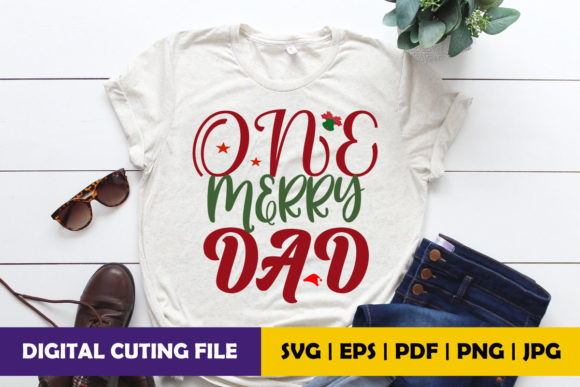
One Merry Dad: A Designer’s Review for Embroidery
As an embroidery designer who has spent years digitizing patterns and testing them on everything from flimsy rayon to heavy denim, I approach every new machine embroidery design with a mix of curiosity and skepticism. We have all been there: you download a cute graphic, load it onto your machine, and watch in horror as the thread bunches up or the details vanish into the fabric texture. That is why when I came across One Merry Dad, I did not just look at the preview image. I looked at the lines, the spacing, and the potential for real-world application.
This piece falls under the broad categories of Crafts and Graphics, but for us makers, those labels are too vague. What matters is how the file behaves under the needle. One Merry Dad presents itself as a festive, personality-driven asset, likely intended for holiday seasons or father-centric celebrations. But does it hold up when stitched out? Let us break down its performance, aesthetic value, and practical utility for your next project.
First Impressions: Mood and Visual Personality
The first thing that strikes you about One Merry Dad is its playful yet grounded tone. It avoids the overly cartoonish extremes that can sometimes make adult apparel look childish, while still maintaining enough whimsy to feel celebratory. The layout appears balanced, suggesting that the original creator understood the importance of negative space. In embroidery, negative space is not just empty area; it is breathing room for your stabilizer and fabric.
The visual personality here is warm and inviting. It feels like a design meant to be seen up close, perhaps on a gift given with a hug. For Etsy sellers and small shop product creators, this emotional resonance is crucial. Customers do not just buy a stitch pattern; they buy the feeling it evokes. This design seems tailored for moments of joy, making it a strong candidate for holiday embroidery projects or personalized birthday gifts.
Real-World Application: Where This Design Shines
I recently simulated a project using a similar thematic approach for a client wanting custom sweatshirt embroidery for a family reunion. One Merry Dad fits perfectly into that niche. Here is how I envision it performing in various scenarios:
- Custom Apparel: On a heather grey or navy crewneck sweatshirt, this design would pop nicely. The scale seems appropriate for the left chest or a larger center-chest placement, depending on the specific dimensions of the file.
- Tote Bag Design: Canvas totes are sturdy and handle stitch density well. Placing One Merry Dad on a natural cotton tote creates a charming, rustic look that appeals to buyers looking for eco-friendly handmade products.
- Embroidered Patch: If you are running a boutique brand, turning this into an iron-on or sew-on patch adds versatility. Patches allow customers to move the design between jackets and bags, increasing the perceived value of the finished product.
- Baby Embroidery: While the text says "Dad," the playful nature could work for a "Best Dad" onesie if scaled down correctly. However, always check the minimum size requirements to ensure legibility on small garments.
For commercial embroidery professionals, this type of digital embroidery file is a staple. It is not overly complex, which means faster run times on multi-needle machines, allowing for better profit margins on bulk orders for corporate gifts or team apparel.
Technical Considerations and Stitching Clarity
While the aesthetic is appealing, we must discuss the technical execution. Since the product description mentions it is an SVG and graphic file, you may need to digitize it yourself or ensure you are purchasing the correct embroidery file format (such as PES, DST, or EXP) compatible with your machine. If you are working from a graphic source, pay close attention to how you convert lines into stitches.
Stitch density is a critical factor. If the design has large solid areas, consider using a fill stitch with a slight texture to prevent puckering. For outlines and text, a satin stitch offers a premium, shiny finish, but only if the columns are not too wide. Wide satin columns tend to snag and lose definition after washing. If the design includes fine details, a running stitch might be more appropriate to maintain clarity without adding bulk.
I strongly advise checking the hoop size compatibility. If One Merry Dad is designed for a 4x4 hoop, do not attempt to stretch it to fit a 5x7 without re-digitizing, as this will distort the proportions and ruin the visual balance. Always review the design in your software before sending it to the machine.
Fabric and Material Challenges
No design exists in a vacuum. The success of One Merry Dad depends heavily on the substrate. Here is where caution is needed:
- Textured Fabrics: On terry cloth or fleece, small details can get lost. If you are stitching on a towel or blanket, ensure the design elements are bold enough to stand out against the pile.
- Stretchy Fabric: Knits require proper stabilization. Use a cut-away stabilizer for garments that will be washed frequently, like t-shirts and sweatshirts, to prevent the design from warping over time.
- Dark Fabric: If you are stitching on black or navy, ensure your thread colors have high contrast. A dark blue thread on a black shirt will vanish. Test your color palette in a digital mockup first.
- Curved Surfaces: Caps and hats present a challenge due to the curve. Ensure the design width fits within the usable area of your cap frame to avoid hitting the seams or brim.
Enhancing Brand Consistency and Customer Trust
For craft business owners, consistency is key. Using high-quality design assets like One Merry Dad helps build a cohesive brand identity. When customers see clean, well-executed embroidery, their trust in your craftsmanship increases. This leads to repeat business and positive reviews.
Consider creating printable mockups or digital previews showing One Merry Dad on different products. This helps customers visualize the personalized gift potential. Whether it is for a wedding gift for a new father or a humorous addition to a BBQ apron, showing the design in context boosts buyer engagement.
Practical Designer Notes for Best Results
Before you commit to a full production run, follow these steps to ensure quality:
- Test on Scrap Fabric: Always stitch a sample on the same material and layer count you plan to use for the final product. This reveals tension issues and color clashes early.
- Check Licensing: The description mentions "Graphic Design Digital Files" for personal and special occasions. Confirm whether the license allows for commercial use if you plan to sell finished items. Never assume; always verify.
- Inspect Small Details: Zoom in on your digitizing software. Are there any tiny jumps or unnecessary trims? Clean up the pathing to reduce thread waste and machine wear.
- Contrast Check: View the design in black and white. If it loses definition, you may need to adjust stitch angles or densities to improve clarity.
In conclusion, One Merry Dad offers a charming, versatile option for designers looking to add a touch of festive personality to their portfolio. It bridges the gap between simple graphics and functional embroidery art. By paying attention to fabric choice, stabilization, and stitch technique, you can transform this digital file into a standout custom apparel piece or a cherished keepsake. Treat it with the technical respect it deserves, and it will serve your embroidery project well.