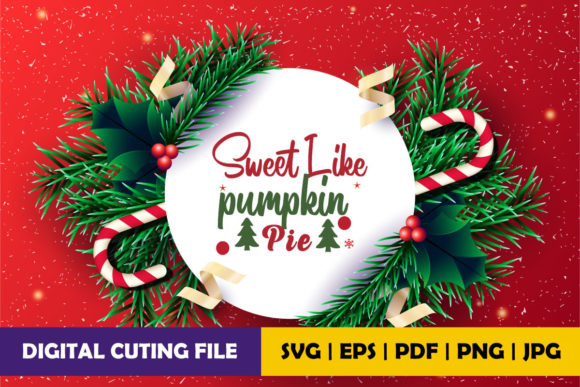
Sweet Line Pumpkin Pie: A Designer's Review for Fall Embroidery
As we move into the autumn season, the demand for cozy, warm, and inviting designs spikes across the Crafts and Graphics sectors. I recently took a close look at the Sweet Line Pumpkin Pie design to evaluate its potential for real-world embroidery projects. When you run a small shop or manage an Etsy store, you cannot afford to waste time on files that look good on a screen but fail under the needle. This review breaks down how this specific asset performs when translated from a digital file to a tangible, stitched product.
First Impressions and Visual Personality
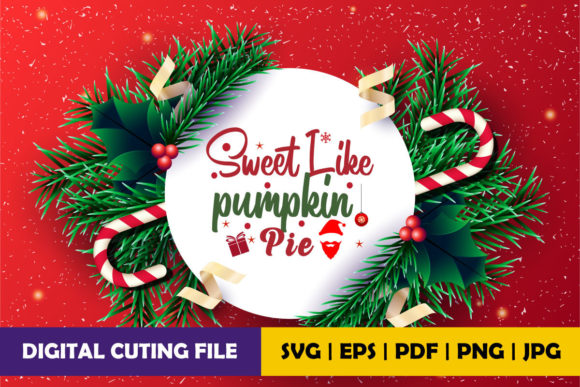
The first thing that strikes me about Sweet Line Pumpkin Pie is its simplicity. In a market often cluttered with overly complex, dense fills that cause puckering, this design opts for a cleaner approach. The "sweet line" aesthetic suggests a focus on outline work or light fills, which is excellent for maintaining the soft drape of fabrics like cotton blends or fleece. The mood it creates is undeniably nostalgic and homey, perfectly capturing the essence of harvest gatherings without feeling dated.
From a layout perspective, the shape feels balanced. It does not appear to have awkward negative space that would require excessive jumping or trimming, nor does it seem so dense that it would turn a lightweight tote bag into a stiff board. For designers looking to create a handmade product that feels premium rather than mass-produced, this visual personality is a strong starting point. It speaks to customers who appreciate subtle elegance over loud, flashy graphics.
Real-World Application Scenarios
To truly test the viability of any machine embroidery design, I imagine it in specific customer scenarios. Let's say a client commissions a set of kitchen towels for a holiday gift. The Sweet Line Pumpkin Pie would sit beautifully near the hem of a waffle-weave towel. Because the design likely relies on clear lines rather than heavy saturation, it allows the texture of the towel to breathe. This is crucial for items that need to remain functional, not just decorative.
Another strong use case is sweatshirt embroidery. If you are producing a limited run of boutique hoodies for a local coffee shop or a school fall festival, this graphic works well on the left chest or as a larger back piece. The simplicity of the line work ensures that even on textured fleece, the details remain visible. Unlike heavy fill stitches that can sink into plush fabrics, a line-based approach tends to sit on top, preserving the definition of the pumpkin pie slices and crust.
For those running a craft business focused on baby items, this design offers a gentle appeal. A bib or a onesie featuring this motif feels appropriate for a "first Thanksgiving" photo opportunity. However, one must always consider the end-user. Babies have sensitive skin, so ensuring the back of the stitching is clean and covered with a soft backing is essential when using any embroidery file on garments worn against the skin.
Technical Considerations and Fabric Compatibility
While the design shows promise, practical execution requires attention to detail. When working with Sweet Line Pumpkin Pie, fabric choice is paramount. On dark fabrics, you must verify that the provided thread colors offer enough contrast. A pumpkin pie design relying on browns and oranges might get lost on a chocolate-brown sweatshirt unless the digitizer included a clever outline or underlay strategy. I always recommend running a test stitch-out on scrap fabric of the same weight and color before committing to a final finished product.
Stitch density is another factor. If this design leans heavily on satin stitch for the crust or filling, be wary of using it on stretchy knits without proper stabilization. High-density satin columns can restrict fabric movement, leading to popped stitches after a few washes. Conversely, if it utilizes running stitch or light fill stitch, it will be more forgiving. Always pair your project with the correct stabilizer; for caps or curved surfaces, a cut-away stabilizer is usually safer than tear-away to prevent distortion over time.
Small hoop sizes present a common challenge. Before purchasing or downloading, confirm the available dimensions. If the design is too large for a 4x4 hoop, you may be limited in where you can place it, such as on infant caps or small patches. Additionally, inspect the tiny details. Does the steam rising from the pie rely on very fine lines? These can sometimes disappear if the thread tension is slightly off or if the fabric pile is too high.
Enhancing Brand Value and Customer Trust
In the world of commercial embroidery, consistency builds trust. Using a cohesive set of graphics like Sweet Line Pumpkin Pie across your design assets helps establish a recognizable brand identity. Whether you are selling custom apparel, embroidered patches, or home decor, the quality of the stitch-out directly reflects on your professionalism. A clean, well-executed design tells the customer that you care about quality, which encourages repeat business.
For Etsy sellers and creative entrepreneurs, the visual appeal of this design can significantly impact buyer engagement. High-quality printable mockups featuring this embroidery can be used to preview products before they are even stitched, helping to gauge market interest. When a customer sees a crisp, attractive pumpkin pie design on a tote bag in a listing, they are more likely to envision it in their own home, increasing the perceived value of the item.
Practical Notes for Designers and Makers
Before integrating Sweet Line Pumpkin Pie into your production workflow, here are a few actionable steps to ensure success:
- Test First: Always stitch a sample on scrap fabric similar to your final material to check for registration issues or puckering.
- Check Contrast: View the design in black and white or grayscale to ensure the shapes hold up without relying solely on color differences.
- Verify Licensing: Since this comes from a graphic store intended for various occasions, double-check the license terms. Ensure you are permitted to sell finished physical goods or if there are restrictions on digital redistribution.
- Review File Formats: Confirm that the digital embroidery file includes the specific format your machine requires (e.g., PES, DST, EXP) to avoid conversion errors that can alter stitch paths.
- Assess Washability: Consider how the design will hold up after frequent washing, especially for items like aprons or tea towels that see heavy use.
Ultimately, Sweet Line Pumpkin Pie appears to be a versatile asset for the fall season. Its strength lies in its adaptability across different fabrics and products, from tote bag designs to holiday embroidery on linens. By approaching it with a critical eye for technical details and a clear understanding of your target audience, you can leverage this design to create standout pieces that resonate with customers. Remember, the best designs are those that not only look beautiful but also stand the test of time and wear, adding genuine value to your small shop product lineup.