Nursing is a Work of Heart: A Designer's Review
When I first pulled up the Nursing is a Work of Heart, Nurse Shirt design file on my screen, I wasn't just looking at another cute quote for a t-shirt. As someone who spends hours hooping fabric and trimming jump stitches, I was immediately assessing its potential as a viable embroidery project. The phrase itself carries a weight that resonates deeply within the healthcare community, but from a technical standpoint, the real question is whether this graphic translates well from a digital vector into a tactile, stitched reality. For Etsy sellers, boutique owners, and hobbyists alike, the difference between a design that looks good on a mockup and one that survives the wash cycle often comes down to the intricacies of the artwork itself.
First Impressions and Visual Personality
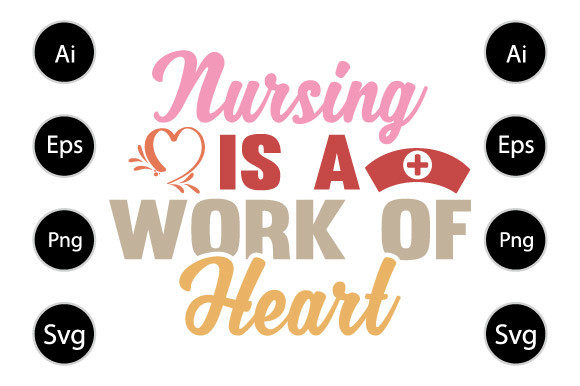
The visual personality of this design is warm, inviting, and undeniably professional yet approachable. The layout typically centers around a heart motif integrated with typography, creating a balanced composition that feels intentional rather than cluttered. In the world of Crafts and Graphics, simplicity often wins, especially when dealing with text-heavy designs. The "Work of Heart" pun relies on clear legibility; if the letters are too close together or the font is too whimsical, the message gets lost in the thread. My initial assessment suggests that this design offers a strong silhouette, which is crucial for readability from a distance. Whether you are stitching this onto a nurse's scrub top or a cozy sweatshirt, the mood it creates is one of appreciation and pride. It avoids the overly clinical feel of medical imagery, opting instead for something that celebrates the human element of nursing.
Real-World Application: The Custom Tote Scenario
To truly test the viability of the Nursing is a Work of Heart, Nurse Shirt design, I imagined a specific real-life scenario: preparing a custom order for a local nursing school graduation. The client wanted embroidered tote bags as gifts for the graduating class. This is a common request for small shop products and craft business owners during the spring season. Tote bags present a unique challenge because of the canvas texture and the potential for the fabric to shift during stitching.
In this context, the design shines because of its likely adaptability. If the heart element is substantial enough, it can be rendered using a combination of satin stitch for the outline and a fill stitch for the interior, providing durability against the wear and tear a tote bag endures. The text, however, requires careful attention. On a textured canvas, tiny lettering can disappear or become muddy. A designer would need to ensure the font weight is heavy enough to stand out against the weave of the bag. If executed correctly, the finished product becomes more than just a bag; it becomes a badge of honor for the new nurse, enhancing the perceived value of the gift and strengthening the connection between the giver and the recipient.
Versatility Across Apparel and Home Decor
Beyond tote bags, this design demonstrates remarkable versatility across various substrates. For custom apparel, such as fleece sweatshirts or cotton t-shirts, the design acts as a focal point. On a sweatshirt, the loft of the fabric allows for richer thread coverage, making the colors pop. This is ideal for holiday embroidery gifts or Nurse Week celebrations. Conversely, for baby embroidery projects, like a onesie for a nurse's newborn, the scale of the design must be reduced. This is where the quality of the original digital embroidery file matters most. If the source files (AI, EPS, SVG) are high-resolution and scalable without pixelation, resizing for smaller hoops is seamless. However, if the details are too fine, reducing the size could result in a tangled mess of thread.
Home decor applications also come to mind. Imagine this stitched onto a pillow cover for a nurse's break room or a kitchen towel for a home that doubles as a study space. In these instances, the design adds a touch of personal branding to the space. For commercial embroidery projects, consistency is key. Using the same design asset across different products helps build brand recognition for healthcare facilities or nursing organizations looking to create unified merchandise.
Technical Considerations and Potential Pitfalls
While the aesthetic appeal is strong, a prudent designer must address the technical hurdles before committing to production. One major area of concern with text-based designs is stitch density. If the letters are too dense, they can cause the fabric to pucker, especially on stretchy materials like jersey knits used in scrubs. It is essential to review the stitch count and density settings in your embroidery software. If you are working from the provided SVG or EPS files to generate your own stitches, pay close attention to the underlay. A proper underlay stabilizes the fabric and prevents the top stitches from sinking in.
Fabric choice plays a pivotal role. Dark fabrics require a different approach than light ones. On a navy blue scrub top, you might need to adjust the thread colors for higher contrast or add a white underlay to prevent the dark fabric from showing through the lighter threads of the heart. Similarly, curved surfaces like caps present a challenge. The distortion caused by the curve can warp the text, making "Heart" look skewed. For cap embroidery, it is often better to simplify the design or increase the spacing between elements to accommodate the curvature.
Furthermore, consider the end-user experience. Nurses wash their uniforms frequently, often in industrial machines with harsh detergents. A design with loose satin columns or poorly secured tie-offs will fray quickly. Ensuring that the finished product can withstand repeated washing is critical for maintaining customer trust. If you are selling these items, a frayed design reflects poorly on your handmade product quality.
Designer Notes for Best Results
Before running a full production batch, I strongly advise following a few practical steps. First, always test the design on scrap fabric that matches your final material. This allows you to check thread tension and color contrast without risking expensive garments. Second, inspect the small details. Zoom in on the corners of the letters and the curves of the heart to ensure there are no excessive jump stitches or overlapping paths that could cause thread breaks.
It is also wise to create black and white mockups to verify that the design holds its shape without relying on color differentiation. This is particularly useful for checking the clarity of the typography. Regarding the file formats provided—AI, EPS, PNG, and SVG—ensure you are using the correct one for your workflow. If you are digitizing the design yourself, the vector files (AI, EPS) are invaluable for tracing and creating clean stitch paths. If you are purchasing a pre-digitized file, confirm the compatible hoop size and machine formats.
Finally, never overlook the licensing terms. Since this falls under design assets intended for potential commercial use, verify whether the license allows for selling physical finished goods or if it is restricted to personal use only. Many creative entrepreneurs have faced issues by assuming a standard license covers all commercial activities. Clarifying this upfront protects your business and ensures ethical practices within the maker community.
In conclusion, the Nursing is a Work of Heart, Nurse Shirt design offers a compelling blend of emotional resonance and decorative potential. With careful attention to stitch density, fabric selection, and finishing techniques, it can be transformed from a simple graphic into a cherished personalized gift or a profitable item in your small business inventory. By approaching the project with a critical eye and a focus on quality, you ensure that the final stitched piece honors the profession it represents.