Turtle Dad Vintage Retro Father's Day Design Review
As a designer who spends more time at the hoop than away from it, I approach every new machine embroidery design with a mix of curiosity and skepticism. We've all seen those cute graphics online that look perfect on a screen but turn into a thread-breaking nightmare once the needle hits the fabric. That is exactly why I took a close look at the Turtle Dad Vintage Retro Father s Day file before committing it to a client project. This isn't just about whether the image is cute; it is about whether it functions as a viable embroidery project for real-world applications like custom apparel, boutique merchandise, and personalized gifts.
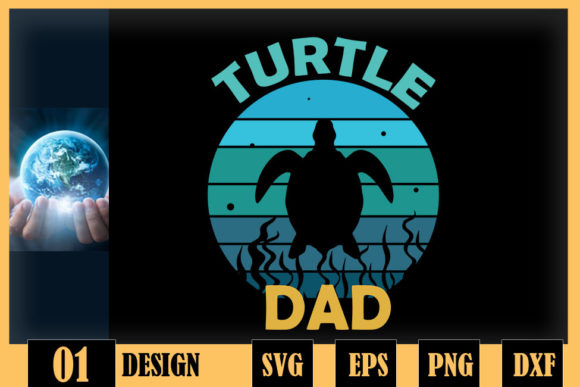
The first thing that strikes you about this design is its mood. It leans heavily into that nostalgic, worn-in aesthetic that is currently dominating the craft market. For an Etsy seller or small shop owner, capturing this specific "vintage retro" vibe is crucial because it signals quality and trend-awareness to the buyer. The layout features a turtle, likely stylized with distressed textures or classic typography, which creates an immediate emotional connection. It feels less like a generic clipart insertion and more like a piece of art intended for a handmade product. However, translating a graphic meant for software like Cricut Design Space or Adobe Illustrator into actual stitches requires a keen eye for detail.
Visual Personality and Project Fit
When evaluating the Turtle Dad Vintage Retro Father s Day concept, I immediately started visualizing where it would land. The charm of this design lies in its versatility. It is not limited to just one type of item. I can easily see this working as a centerpiece on a heavy cotton tote bag design, where the rustic feel complements the natural fabric texture. It also shines as sweatshirt embroidery, particularly on heather grey or navy fleece, where the vintage elements pop against the soft background.
For those running a craft business, understanding the target audience is key. This design screams "Father's Day," but it has enough character to work for year-round dad-themed collections. Imagine a set of matching shirts for a family beach day or a curated collection of nursery decor featuring animal dads. The visual personality suggests warmth and humor, which are high-value traits for a personalized gift. If you are selling design assets or finished goods, this kind of thematic clarity helps customers make quick purchasing decisions.
Real-World Application: The Custom Tote Scenario
To truly test the viability of this design, let's walk through a realistic scenario. Suppose a customer orders a custom tote bag for their husband, wanting something that looks professional yet playful. You load the Turtle Dad Vintage Retro Father s Day file into your machine. The first consideration is the stitch density. Vintage-style graphics often rely on simulated distressing or fine lines to achieve their look. In embroidery, this can be tricky. If the design relies too heavily on tiny running stitch details to mimic a printed texture, it might not hold up well on a canvas tote that will be tossed around.
In this case, I would recommend analyzing the file to ensure the turtle shell and any text elements utilize a robust fill stitch or a clean satin stitch border. If the original graphic is purely digital, you may need to digitize it specifically for embroidery to ensure the thread colors blend smoothly without excessive jumps. A well-executed version of this design on a tote bag adds perceived value. It transforms a simple bag into a small shop product that feels bespoke. Customers are willing to pay a premium for items that look like they were crafted with intention, rather than mass-produced.
Technical Considerations for Embroiderers
While the aesthetic appeal is strong, the technical execution is where many designers stumble. When working with a theme like Turtle Dad Vintage Retro Father s Day, you must be mindful of the substrate. Textured fabrics, such as linen or waffle knit, can obscure fine details. If the design includes small lettering or intricate shell patterns, these might get lost on a rough surface. Conversely, on smooth performance fabrics or tight-weave cottons, the clarity of the embroidery file will be much higher.
One critical area to watch is the hoop size. Depending on how the design was scaled, it might require a larger hoop to accommodate the full width of the turtle and the accompanying text. Always check the dimensions before hooping your final garment. There is nothing worse than realizing halfway through that the design extends beyond the hoop boundary. Additionally, if you are attempting this on curved surfaces like caps or hats, the distortion factor comes into play. A wide design might warp awkwardly over the curve of a baseball cap, so it is often better suited for flat panels like the front of a tote or the chest of a t-shirt.
Stabilizer choice is another non-negotiable element. For a design that aims for a retro, slightly rugged look, you still need a solid foundation. Using a cut-away stabilizer is generally safer for garments that will undergo frequent washing, ensuring the finished product maintains its shape and the stitches don't pucker over time. If you are creating an embroidered patch to be sewn on later, a tear-away might suffice, but for direct-to-garment applications, stability is king.
Maximizing Commercial Value and Trust
For commercial embroidery professionals, consistency is everything. If you list this design as part of a Father's Day collection on your website or at a craft fair, the quality of the stitch-out directly impacts your brand reputation. A clean, crisp execution of the Turtle Dad Vintage Retro Father s Day motif builds customer trust. It shows that you care about the longevity of the item. On the other hand, poor tension or visible backing can cheapen the look, turning a potentially best-selling item into a return.
This design also offers excellent opportunities for printable mockup creation. Before even stitching a single thread, you can use the graphic in software like Adobe Photoshop or Corel Draw to create realistic previews for your online store. This allows you to gauge customer interest and refine your marketing angles. Whether you are selling the physical custom apparel or the digital file itself, presenting a clear vision of the end result is vital for engagement.
Final Designer Notes and Best Practices
Before you commit to a production run, here are a few practical steps to ensure success with this design. First, always test the design on scrap fabric that matches your final material. This lets you check the stitch density and see how the thread interacts with the fabric texture. Pay close attention to the contrast between thread colors; vintage palettes often use muted tones, which can sometimes blend together too much if not carefully selected.
Second, verify the licensing terms. The product description mentions compatibility with various software programs, but it is essential to confirm whether the license allows for unlimited commercial sales of finished items or if there are restrictions on reselling the digital file itself. Never assume; always read the fine print to protect your craft business.
Finally, consider the washability. Father's Day gifts often become everyday wear. Ensure that your stitching technique and stabilizer choices can withstand the laundry cycle. A design that looks great on day one but frays after three washes will hurt your reviews. By treating the Turtle Dad Vintage Retro Father s Day graphic with the technical respect it deserves, you can create a holiday embroidery piece that stands out in a crowded market.
In conclusion, this design holds significant promise for creators looking to tap into the sentimental yet stylish fatherhood niche. With careful attention to digitization nuances, fabric selection, and finishing techniques, it can elevate a simple baby embroidery project or a dad's favorite tee into a cherished keepsake. It is a reminder that in our world, the magic happens not just in the image, but in the stitch.