Reviewing the Thanksgiving SVG Doormat for Real Projects
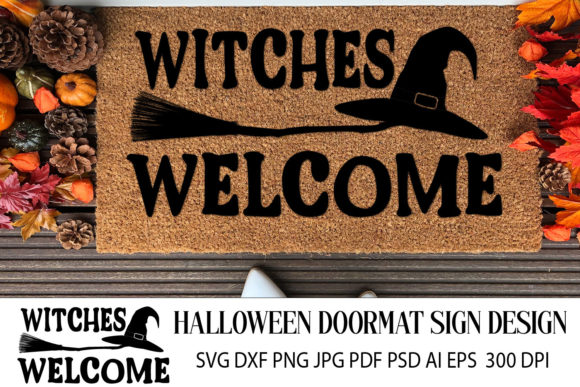
As a designer who spends more time staring at stitch simulations than actual television, I approach every new digital embroidery file with a mix of excitement and skepticism. When I first opened the Thanksgiving SVG. Doormat SVG, my immediate reaction wasn't just about whether it was cute; it was about whether it would hold up under the needle. In the world of Crafts and Graphics, there is a massive difference between a design that looks good on a screen and one that translates beautifully into thread. This review breaks down how this specific autumn-themed asset performs when moved from a digital preview to a tangible, stitched reality.
First Impressions: Mood and Visual Personality
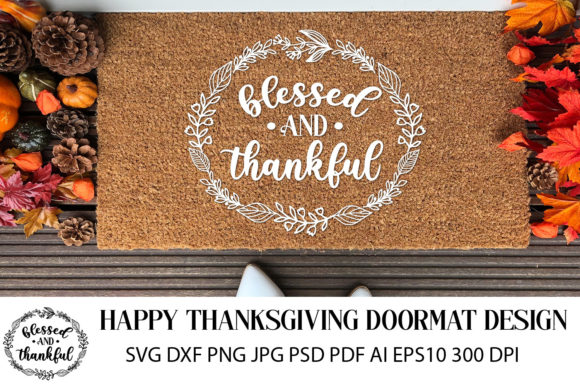
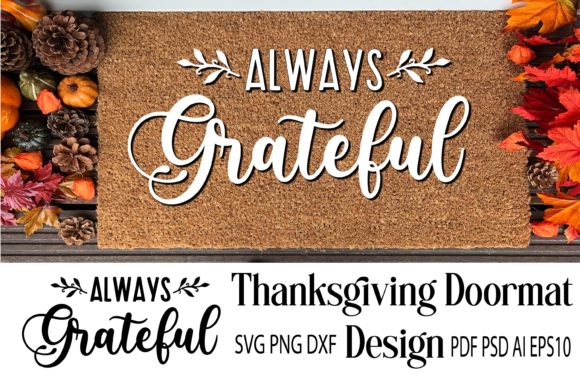
The first thing that strikes you about this design is its inherent warmth. It captures that specific "farmhouse" aesthetic that has dominated home decor for years, but it does so with a simplicity that suggests it was built with stitching in mind. The layout feels balanced, avoiding the clutter that often plagues holiday designs. When you are working with an embroidery project, negative space is just as important as the stitches themselves. This design seems to understand that.
The visual personality is inviting without being overly ornate. For a handmade product intended for the fall season, you want something that feels cozy, not chaotic. The lines appear clean, which usually translates well to satin stitch or fill stitch execution depending on how you digitize it or if it comes pre-digitized. If you are an Etsy seller looking to expand your holiday catalog, this kind of versatile graphic is gold because it doesn't scream "trend" so loudly that it will be obsolete by December.
Real-World Application: The Tote Bag Test Case
To truly evaluate the Thanksgiving SVG. Doormat SVG, I imagined a specific real-life scenario: preparing a custom order for a local boutique needing branded tote bag design options for their November market stall. The client wanted something that could be stitched quickly but still looked premium.
In this context, the design shines. Placed centrally on a canvas tote, the motif acts as a perfect focal point. Unlike complex scenes that require thousands of stitches and hours of machine time, this graphic suggests a quicker turnaround. For a small shop product, speed matters. If I were stitching this on a sweatshirt or a heavy cotton apron, the boldness of the shapes would likely pop against the fabric texture. It feels substantial enough to stand alone but simple enough to be part of a larger arrangement, perhaps paired with a monogram or a small leaf accent.
However, the true test is always the customer reaction. Would someone buy this as a personalized gift? Absolutely. It fits seamlessly into the category of holiday embroidery that people love to give to hosts, teachers, or neighbors. It says "welcome" and "gratitude" without needing extra explanation.
Navigating Fabric Challenges and Stitch Density
While the design is promising, practical application requires caution. Not every fabric behaves the same way. If you are planning to use this on a stretchy knit for a sweatshirt embroidery project, you need to be mindful of stitch density. Heavy fill areas can cause lightweight fabrics to pucker or distort over time. Before committing to a full production run, it is vital to test the design on scrap fabric that matches your final material.
Textured fabrics present another consideration. If you are stitching onto a waffle-weave kitchen towel or a rough linen pillow cover, fine details might get lost. The Thanksgiving SVG. Doormat SVG appears to have a solid structure, which helps, but you must ensure your stabilizer choice is robust enough to support the design on uneven surfaces. For curved surfaces like caps or hats, the layout needs to be checked carefully. A design meant for a flat doormat or sign might need adjustment to sit correctly on the front panel of a baseball cap without warping.
Dark fabrics are another area where scrutiny is needed. If the original graphic relies on light colors, stitching it onto navy or black custom apparel might require an underlay or a change in thread colors to ensure visibility. Always run a black-and-white mockup test to check contrast before threading up the machine.
Commercial Viability and Brand Consistency
For creative entrepreneurs and craft business owners, the value of a design isn't just in how it looks, but in how it elevates the brand. Using a cohesive set of design assets like this helps maintain professionalism. If your shop specializes in rustic or farmhouse styles, this graphic reinforces that identity. It builds customer trust because the finished product looks intentional and high-quality.
When listing items on Etsy or at a craft fair, the perceived value of the finished product often hinges on the clarity of the stitching. A clean, well-executed version of this design can justify a higher price point than a generic, mass-produced item. It signals to the buyer that thought and skill went into the creation. Furthermore, because it works well for various items—from baby embroidery on onesies to large pillow covers—it offers flexibility in your inventory without requiring you to learn entirely new techniques for each product type.
Essential Designer Notes for Success
Before you dive into using this machine embroidery design for commercial or personal use, keep these practical steps in mind:
- Check Licensing: Always verify the license terms provided with the download. Ensure you are allowed to sell physical items made with the design if you are running a business.
- Verify File Formats: Confirm that the package includes the specific embroidery file formats compatible with your machine (e.g., PES, DST, EXP).
- Test Hoop Sizes: While the design looks scalable, check the minimum recommended hoop size to ensure no details are cut off or compressed.
- Inspect Small Details: Zoom in on the digital file. Are there tiny text elements or thin lines that might break during stitching? These often need manual adjustment.
- Stabilizer Selection: Match your stabilizer to the fabric weight. Heavier designs on light fabric need cut-away stabilizer, while woven fabrics might handle tear-away.
- Thread Contrast: Experiment with thread shades. Sometimes a tone-on-tone look adds sophistication, while high contrast makes a bold statement.
Ultimately, the Thanksgiving SVG. Doormat SVG represents a solid choice for the autumn season. It bridges the gap between digital convenience and tactile charm. Whether you are creating a single embroidered patch for a jacket or a dozen tea towels for a boutique, the key lies in respecting the materials and understanding the limitations of the medium. With the right preparation and a keen eye for detail, this graphic can become a staple in your seasonal collection, delivering both aesthetic appeal and functional durability.