Reviewing the Hello Fall Wooden Plaid Border Plaque
As we transition into the busiest season for handmade goods, the pressure to deliver fresh, on-trend designs increases. I recently evaluated the Hello Fall Wooden Plaid Border Plaque to determine its viability for real-world embroidery projects. This is not just a digital asset; it is a potential revenue driver for craft businesses. My goal was to assess how this design translates from a screen to fabric, specifically looking at stitch quality, visual balance, and commercial appeal.
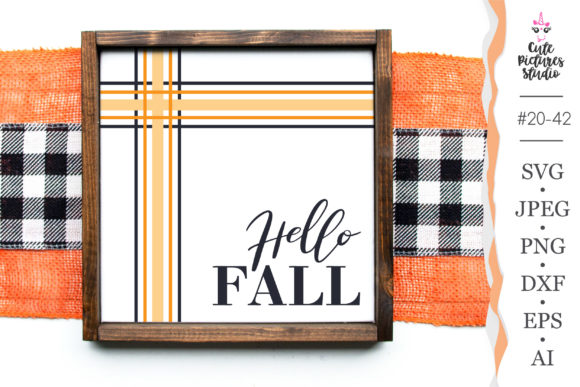
The first impression of the Hello Fall Wooden Plaid Border Plaque is one of rustic warmth. The combination of checkered plaid patterns with bold, inviting lettering creates an immediate sense of cozy farmhouse aesthetics. For an embroidery designer, the layout is critical. This design utilizes a border structure, which suggests it is intended to frame a space or accentuate the edge of a garment or home decor item. The visual personality is grounded and traditional, making it a safe yet stylish choice for autumn-themed collections.
Real-World Application and Project Fit
To truly understand the value of any machine embroidery design, you must visualize it in a finished product. I imagined using this file for a custom embroidered tote bag. Tote bags are staples for fall markets, and the horizontal nature of this plaque design fits perfectly across the upper third of a canvas bag. The plaid elements add texture without overwhelming the clean lines of the typography.
Beyond totes, consider sweatshirt embroidery. A crewneck sweatshirt in heather grey or oatmeal provides an excellent neutral backdrop for the rich autumn tones typically associated with this theme. The design acts as a central chest graphic or a lower-hem accent. Because the motif includes a "wooden" aesthetic, it pairs beautifully with natural fiber fabrics like cotton, linen, or wool blends. This alignment between the digital design’s theme and the physical fabric texture enhances the perceived quality of the handmade product.
For Etsy sellers and small shop owners, versatility is key. This design could easily be adapted for kitchen towels, where the border style mimics the hem of the towel itself. It also works well for holiday embroidery projects, serving as a welcoming sign when stitched onto a pillow cover or wall hanging. The "Cozy farm" vibe mentioned in the description resonates strongly with buyers looking for authentic, non-mass-produced decor.
Technical Performance and Stitching Considerations
When evaluating a digital embroidery file, technical execution is paramount. The plaid pattern within the Hello Fall Wooden Plaid Border Plaque requires careful attention to stitch density. If the density is too high, the fabric may pucker, especially on lighter materials. If it is too low, the plaid may look sparse and fail to convey the intended woven look. I recommend testing the design on scrap fabric that matches your final product material to gauge how the machine handles the intersecting lines of the plaid.
The lettering component likely utilizes a combination of satin stitch for smooth edges and fill stitch for broader areas. Satin stitches provide a professional sheen but can snag if not properly underlaid. Ensure your stabilizer choice is robust. For a design of this complexity, a cut-away stabilizer is often safer than tear-away, particularly if the final item will undergo frequent washing. This ensures the design maintains its shape and does not distort over time.
One must also consider the scale. The intricate details of the plaid and the clarity of the "Hello Fall" text depend heavily on the hoop size used. If you attempt to shrink this design significantly for a small embroidered patch or a baby hat, the fine lines of the plaid may merge, and the text may become illegible. Always check the minimum recommended size provided by the designer. If such details are not explicitly provided in the file package, proceed with caution and run multiple test stitches at varying scales.
Navigating Fabric and Color Challenges
Color contrast is the make-or-break factor for this design. The plaid pattern relies on distinct color shifts to create the checkered effect. On dark fabrics, you must ensure the thread colors are light enough to stand out. Conversely, on white or cream fabrics, deep, rich tones like burgundy, forest green, or navy will pop effectively. I advise creating black and white mockups before stitching to verify that the design holds its structural integrity without relying solely on color.
Textured fabrics present another challenge. While the rustic theme suits textured materials like tweed or heavy linen, the needle penetration must be precise. Thick fabrics may require a larger needle size to prevent thread breakage, especially in the dense areas of the plaid. For stretchy fabrics, such as those used in custom apparel like t-shirts, proper hooping technique and stabilizer selection are non-negotiable to prevent shifting during the embroidery process.
Curved surfaces, such as caps or hats, require additional scrutiny. The rigid, rectangular nature of a "plaque" design can look distorted if not centered perfectly on a curved brim or panel. For cap embroidery, consider simplifying the design or ensuring the curvature of the hoop matches the garment’s structure to avoid gaps or puckering at the edges.
Commercial Value and Brand Consistency
For craft business owners, the Hello Fall Wooden Plaid Border Plaque offers more than just aesthetic appeal; it offers brand consistency. The cohesive look of plaid and seasonal lettering helps build a recognizable autumn collection. When customers see this level of detail and thematic coherence, it builds trust. They perceive the item as a thoughtful personalized gift rather than a generic commodity.
This design serves as a strong asset for commercial embroidery projects. Whether you are producing bulk orders for boutique branding or creating one-off items for craft fairs, the professional finish of a well-executed plaque design elevates the perceived value. It allows for higher pricing points because the complexity of the plaid suggests a higher level of skill and effort compared to simple monogramming.
However, always verify licensing terms. Before selling finished items or using the design assets in digital products, confirm whether the file allows for commercial use. Most designers provide clear guidelines, but assuming permission can lead to legal issues. If the license is unclear, contact the creator directly. Protecting your business is as important as protecting your stitch quality.
Final Designer Notes
In conclusion, the Hello Fall Wooden Plaid Border Plaque is a versatile and commercially viable addition to your library of Crafts and Graphics. It performs best when treated with respect for its technical requirements. Do not rush the setup. Test your thread colors, secure your stabilizer, and choose the right hoop size.
Use this design to create memorable finished product examples for your portfolio. Whether it adorns a tote bag design for a local farmer's market or a baby embroidery piece for a nursery, the key is precision. By paying attention to the interplay between the digital file and the physical medium, you can transform a simple SVG into a high-demand item. This approach ensures that your work stands out in a crowded marketplace, offering customers the cozy, high-quality autumn aesthetic they crave.