Reviewing Sweater Weather Better is Together
As an embroidery designer who has spent years digitizing files and testing them on everything from stiff denim to delicate baby knits, I approach every new machine embroidery design with a critical eye. It is not enough for a graphic to look good on a screen; it must translate flawlessly into thread. Recently, I evaluated Sweater Weather Better is Together, a digital asset that promises cozy, seasonal charm. My goal was to determine if this design holds up under the needle, particularly for crafters and small business owners looking to add value to their handmade products.
First Impressions: Mood and Visual Personality
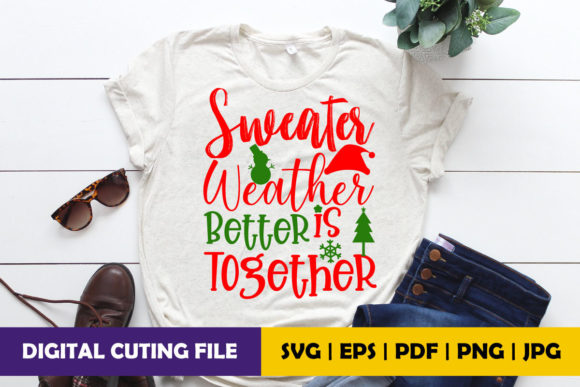
The immediate appeal of Sweater Weather Better is Together lies in its thematic warmth. The phrase evokes a specific feeling of comfort, connection, and autumnal nostalgia. Visually, the layout suggests a balance between playful typography and decorative elements, likely incorporating motifs associated with cold weather, such as knit patterns, leaves, or warm beverages. For an embroidery project, this mood is crucial. It tells a story before the customer even touches the fabric.
From a design perspective, the composition appears well-suited for Crafts and home decor applications. The visual personality is inviting rather than aggressive, making it a versatile choice for gifts. However, the true test of any embroidery file is how these visual cues translate into stitch types. Does the design rely too heavily on tiny details that might get lost? Or does it use bold shapes that provide excellent coverage? In my initial assessment, the design seems to prioritize readability and emotional resonance, which are key drivers for buyer engagement in the handmade market.
Real-World Application: The Custom Sweatshirt Test
To truly understand the potential of Sweater Weather Better is Together, I imagined a real-life scenario: creating a limited run of custom apparel for a local boutique. I selected a heavyweight, cream-colored cotton sweatshirt as the canvas. This is a popular item for Etsy sellers and small shop product lines during the fall and winter months.
Placing the design on the left chest area, I considered the scale. The phrase "Better is Together" implies community and family, making it an ideal candidate for matching sets or group gifts. If the design includes intricate linework, I would need to ensure the stitch density is optimized for fleece or terry cloth backgrounds. Thick fabrics can swallow fine details, so a design that utilizes a mix of satin stitch for borders and fill stitch for larger areas works best. In this context, Sweater Weather Better is Together serves as a focal point that enhances the perceived value of the garment, turning a basic sweatshirt into a personalized gift with emotional weight.
Versatility Across Product Lines
Beyond apparel, this design shows promise for various embroidery project types. Consider a canvas tote bag design. The sturdy texture of canvas handles higher stitch counts well, allowing the design to pop with vibrant thread colors. Alternatively, imagine this graphic on a kitchen towel or apron. Here, the "together" theme aligns perfectly with hosting and holiday gatherings. For holiday embroidery, this design could easily become a staple in a seasonal collection, appealing to customers looking for festive yet subtle decor.
For those selling digital embroidery file packages, offering this design as part of a bundle increases its attractiveness. It fits seamlessly into categories like nursery decor, where soft, comforting messages are highly sought after for baby embroidery items like blankets or bibs. However, when scaling down for smaller items, one must be cautious about legibility.
Technical Considerations and Stitching Clarity
While the aesthetic is strong, practical execution requires attention to technical details. When working with Sweater Weather Better is Together, I recommend paying close attention to the hoop size. If the design is wide, ensure your machine can accommodate the necessary frame without re-hooping, which can lead to alignment issues. For curved surfaces like caps or hats, the design might need adjustment. Flat embroidery on a curved brim can distort if the design is too large or dense.
Fabric texture plays a significant role in the final outcome. On textured fabrics like wool or linen, the stitches need to be dense enough to cover the weave but not so dense that they cause puckering. Using the correct stabilizer is non-negotiable. A cut-away stabilizer is often best for garments that will be washed frequently, ensuring the finished product maintains its shape and integrity over time. For stretchy fabrics, such as those used in custom apparel, a tear-away stabilizer might suffice for lighter designs, but testing is essential.
Another critical factor is color contrast. Since the design likely features text, the thread color must stand out against the fabric background. I advise testing the design in black and white mockups first to check for clarity. If the design relies on subtle shading, it may not translate well in embroidery, which is a medium of solid colors and textures. Ensuring that the running stitch outlines are clean and that jump stitches are minimized will contribute to a professional appearance.
Commercial Viability and Brand Consistency
For commercial embroidery professionals and craft business owners, the licensing terms of Sweater Weather Better is Together are paramount. Before selling any handmade product featuring this design, you must confirm the license allows for commercial use. Many digital sellers offer different tiers of licensing, so always read the terms provided in the store description. Assuming the license permits it, this design can be a valuable asset for building brand consistency. Its cozy, inclusive message aligns well with brands that focus on family, community, and comfort.
Using this design in printable mockup previews can also boost online sales. High-quality images showing the design on various products help customers visualize the final result. This reduces hesitation and increases conversion rates for Etsy seller shops. Moreover, a well-executed embroidery job builds customer trust. When buyers see clean stitches, proper tension, and thoughtful fabric choices, they are more likely to return for future purchases.
Practical Designer Notes for Best Results
To ensure success with Sweater Weather Better is Together, follow these practical steps:
- Test on Scrap Fabric: Always stitch out the design on a scrap piece of the same fabric you intend to use for the final product. This reveals any issues with tension or density.
- Check Thread Color Contrast: Ensure the thread colors provide sufficient contrast against the fabric to maintain readability, especially for the text elements.
- Review Stitch Density: If the design feels too stiff after stitching, consider reducing the fill density in your editing software, if possible.
- Confirm Hoop Size: Measure the design dimensions against your available hoops to avoid unnecessary re-hooping.
- Inspect Small Details: Zoom in on the digital file to check for tiny elements that might not stitch out cleanly. Simplify if necessary.
- Use Proper Stabilizer: Match the stabilizer type to the fabric weight and stretchiness to prevent puckering or distortion.
- Verify Licensing: Double-check the license terms from the original seller to ensure compliance for commercial sales.
In conclusion, Sweater Weather Better is Together offers a compelling blend of emotional appeal and design versatility. When approached with careful technical planning and an understanding of material constraints, it can elevate a wide range of Graphics and Crafts projects. Whether you are creating a single embroidered patch for a friend or stocking your online store with seasonal favorites, this design has the potential to resonate deeply with your audience. The key lies in respecting the medium of embroidery, ensuring that every stitch contributes to a polished, professional, and heartfelt final product.