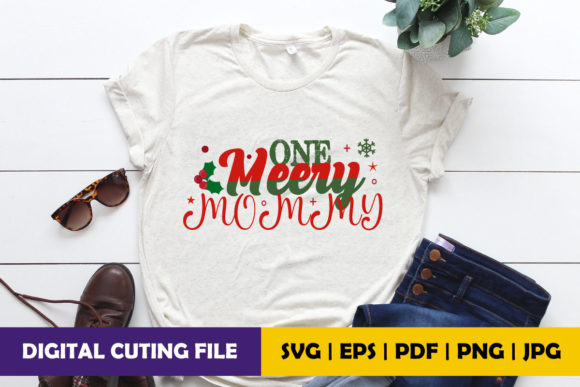
One Meery Mommy: A Designer's Take on Stitching This Graphic
When I first pulled up the One Meery Mommy design file on my screen, my immediate reaction wasn't just about the cuteness factor, though it is certainly there. As someone who spends hours hooping fabric, threading needles, and troubleshooting density issues for clients, I look at digital assets differently. I don't just see a picture; I see a roadmap of stitches. I see potential snag points, color transitions, and how this graphic will sit on a curved cap versus a flat tote bag. This review comes from that practical, hands-on perspective. We are going to talk about how this specific graphic translates from a digital embroidery file into a tangible, high-quality handmade product that you can confidently sell or gift.
First Impressions and Visual Personality
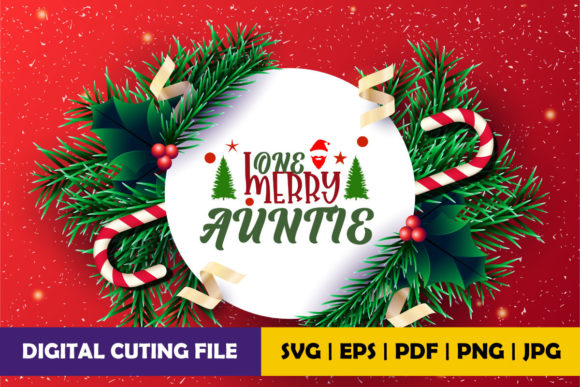
The mood of One Meery Mommy is undeniably warm and celebratory. It captures that specific niche of new motherhood with a playful twist that feels modern rather than dated. For an Etsy seller or a boutique owner, visual personality is everything. You need designs that stop the scroll. This graphic has a strong silhouette that suggests it will read well even from a distance, which is crucial for items like sweatshirt embroidery or large tote bag designs. The layout appears balanced, avoiding the common pitfall of overcrowding that leads to thread breaks or messy backs. When evaluating it as a piece of Crafts and Graphics media, it stands out because it doesn't rely solely on tiny details to make its point. It has a boldness that translates well to thread, suggesting a mix of solid fills and perhaps some clean running stitches for outlines.
Real-World Application: The Custom Tote Scenario
Let's walk through a real-life scenario where I would deploy this design. Imagine a client orders a set of personalized gifts for a baby shower. They want something useful but sentimental. I immediately think of a heavy-canvas tote bag. Why? Because canvas provides the stability needed for a graphic of this nature without excessive puckering. If I were stitching One Meery Mommy onto a flimsy t-shirt, I might worry about the fabric distorting under the weight of the thread, especially if the design utilizes dense fill stitch areas. On a tote, however, that density adds texture and perceived value.
In this project, the design becomes the centerpiece. I would likely choose a high-sheen rayon thread to give the letters and graphical elements a pop against a natural or pastel fabric. The result is a finished product that looks professional enough to be sold in a high-end boutique but personal enough to be a cherished keepsake. For small shop products, consistency is key. If you are making ten of these for a craft fair, One Meery Mommy offers the repeatability needed to maintain quality across all units. Customers trust brands that deliver clean, crisp stitching every time, and this design supports that level of execution.
Navigating Fabric Challenges and Hoop Constraints
While the design is promising, a responsible designer always considers the limitations. Where should you use caution? First, consider hoop size. Before purchasing or downloading, you must verify the maximum dimensions provided in the file details. If the design is large, it might not fit in a standard 4x4 hoop, requiring you to hoop a sweatshirt or jacket carefully to avoid shadowing from previous hoopings.
Texture is another critical factor. If you attempt this on a highly textured fabric like a waffle knit or a thick terrycloth towel, the finer details of the graphic might get lost. The stitch density needs to be appropriate for the fabric texture. On stretchy fabrics like jersey knits used for baby embroidery, the risk of distortion is higher. In these cases, using a high-quality cut-away stabilizer is non-negotiable. You cannot skimp on stabilization if you want the One Meery Mommy text to remain legible after multiple washes. Furthermore, if you are working on dark fabrics, ensure the design includes an underlay or plan to add one manually to prevent the fabric color from bleeding through the lighter thread colors.
Specific Considerations for Caps and Patches
Curved surfaces present a unique challenge. If you decide to turn this into an embroidered patch or stitch it directly onto a structured cap, pay close attention to the corners of the lettering. Sharp angles in a machine embroidery design can sometimes cause bird nesting if the digitizing isn't optimized for curves. For caps, the center front placement is ideal, but ensure the design width does not wrap too far around the sides, which can cause visibility issues when worn. For patches, a tight satin stitch border (merrow edge style) would complement the internal graphics nicely, creating a durable custom apparel accessory.
Enhancing Brand Value and Customer Trust
Ultimately, the choice of design affects your brand's reputation. Using a well-executed graphic like One Meery Mommy signals to your customers that you care about quality. It elevates a simple personalized gift into a premium item. In the world of commercial embroidery, clarity is king. If a customer receives a onesie where the text is muddy or the shapes are indistinct, they lose trust. This design, with its clear thematic focus, helps avoid those pitfalls. It works exceptionally well for holiday embroidery seasons, such as Mother's Day or Christmas, where emotional connection drives sales.
For those creating printable mockups for online listings, this graphic offers great versatility. It photographs well, allowing you to create compelling design assets for your social media and website. Whether you are a creative entrepreneur selling physical goods or a digital product seller offering files, the visual appeal of the source material matters. A strong source image leads to better marketing materials, which in turn drives buyer engagement.
Practical Notes for the Serious Maker
Before you commit to a full production run, here is my professional advice for working with this file:
- Test on Scrap First: Always stitch a sample on the exact fabric you intend to use. What looks good on polyester might behave differently on cotton.
- Check Thread Contrast: Ensure your chosen thread colors provide enough contrast against the background fabric so the design remains readable.
- Review Density: If the design feels too stiff after stitching, consider reducing the fill density slightly in your editing software, provided you have the rights to modify the embroidery file.
- Verify Licensing: The description mentions these files are for special days and occasions. However, always confirm the specific license terms regarding commercial embroidery. Can you sell finished items? Can you resell the digital file? Clarity here protects your craft business.
- Mockup Testing: Create black and white mockups to ensure the design holds its shape without relying on color differentiation. This is a great test of the underlying structure.
In conclusion, One Meery Mommy represents a solid choice for designers looking to expand their catalog of family-oriented goods. It bridges the gap between trendy aesthetics and practical stitchability. By respecting the technical requirements of the fabric and machine, you can transform this digital graphic into a standout handmade product that resonates with customers and stands the test of time. Whether it ends up on a nursery pillow or a mom's favorite hoodie, the potential for creating joy is stitched right into the file.