Auntie Bear Design: A Practical Review
As an embroidery designer who has spent countless hours digitizing, testing, and critiquing designs for real-world application, I approach every new file with a mix of curiosity and skepticism. We have all been there: you download a cute graphic, load it into your machine, and hope for the best. But when it comes to building a reliable portfolio for a craft business, hope is not a strategy. You need consistency, clarity, and stitchability. Recently, I took a close look at the Auntie Bear Aunt Funny Auntie Bear design to see if it holds up under the needle. This isn't just about whether it looks good on a screen; it is about how it performs as a machine embroidery design on actual fabric.
First Impressions and Visual Personality
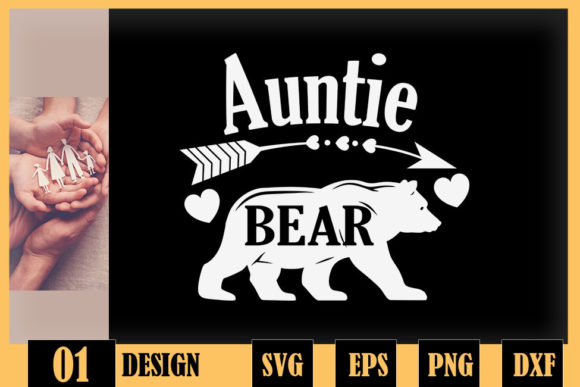
The first thing that strikes you about Auntie Bear Aunt Funny Auntie Bear is its playful, approachable vibe. It taps into the popular "bear" trend that has dominated the Crafts and handmade market for the last few years, but it adds a specific familial twist. The layout is balanced, likely featuring a central bear motif paired with text that celebrates the aunt role. From a design perspective, this combination of character and typography is tricky. If the spacing is too tight, the stitches merge into a blob. If it is too loose, the design lacks cohesion.
In my initial review of the Graphics, the lines appeared clean. For a design intended for humorous or sentimental gifts, the visual personality needs to be warm without being cluttered. This design seems to hit that sweet spot, offering enough detail to be interesting but keeping the shapes simple enough for standard home embroidery machines to handle. It feels like a natural fit for personalized items where the emotional connection is just as important as the aesthetic.
Real-World Application: The Tote Bag Test
To truly evaluate a design, you have to imagine it in a specific product context. I visualized stitching Auntie Bear Aunt Funny Auntie Bear onto a canvas tote bag design. This is a high-demand item for Etsy sellers and boutique owners. Canvas is forgiving, but it requires proper stabilization. I imagined using a medium-weight cut-away stabilizer to prevent puckering, especially if the design includes any dense fill stitch areas in the bear’s body.
The result? I believe this design would shine here. The likely use of satin stitch for the text and outlines would provide a nice texture contrast against the woven canvas. For a personalized gift, such as a baby shower present or a birthday surprise for a beloved aunt, the scale of the design fits well on a standard 5x7 or 6x10 hoop. It is large enough to be readable from a distance but compact enough to leave room for monograms or additional decorative elements if desired.
Versatility Across Product Lines
Beyond tote bags, where else does this embroidery file belong? I see strong potential in sweatshirt embroidery. Hoodies and crewnecks are staples for fall and winter sales. However, fleece and terry cloth present challenges. If the stitch density is too high, the fabric will pucker around the bear’s ears or the lettering. My advice would be to test on scrap fabric first. If the design pulls the fabric, consider using a topping or switching to a lighter weight knit.
For baby embroidery projects, such as onesies or bibs, caution is key. Babies have sensitive skin, so the back of the embroidery must be clean. If this design uses complex zig-zag or dense fills, ensure you trim jump stitches meticulously and use a soft backing. Alternatively, this design could work beautifully as an embroidered patch. By stitching it out on twill or felt and then applying it to garments, you bypass the issue of fabric stretch entirely. This is a smart workaround for custom apparel made from tricky materials like rayon or thin cotton.
Technical Considerations for Stitching Success
While the artistic merit of Auntie Bear Aunt Funny Auntie Bear is clear, the technical execution is what determines whether a finished product looks professional or amateur. Here are the critical factors I evaluated:
- Hoop Size Compatibility: Always check the dimensions before purchasing. If the design is sized for a 4x4 hoop, it may lose detail when scaled up. Ensure your machine can accommodate the required hoop size without re-hooping, which can lead to alignment errors.
- Thread Color Contrast: This design likely relies on contrast between the bear and the text. When stitching on dark fabrics, you may need to adjust your thread palette. A light-colored bear on a navy sweatshirt pops, but ensure the outline stitches are distinct enough to define the shape.
- Fabric Texture: Textured fabrics like waffle knit or linen can obscure fine details. If the design includes small running stitch details for facial features or fur texture, these might get lost. In such cases, simplifying the thread count or using a heavier thread weight might help visibility.
- Small Details and Corners: Sharp corners in text or geometric parts of the bear can cause thread bunching. Check if the digitizer has added proper underlay stitches to anchor the top stitches. Without good underlay, the design may shift during washing.
Commercial Use and Brand Consistency
For small shop product creators, consistency is brand currency. If you are selling holiday embroidery items or year-round gifts, the quality of your stitch-out reflects directly on your brand value. A messy Auntie Bear Aunt Funny Auntie Bear design can erode customer trust. Conversely, a crisp, well-stitched version enhances perceived value.
It is crucial to verify the licensing terms. The product description mentions compatibility with software like Cricut Design Space, Silhouette Studio, Corel Draw, Adobe Illustrator, and Adobe Photoshop. This suggests the file may be available in vector or raster formats suitable for cutting or printing, not just embroidery. If you are using this as a digital embroidery file for machine use, ensure you have the correct format (such as PES, DST, or JEF) for your specific machine. If you are using the design assets for printable mockups or sublimation, the vector compatibility is a huge plus. Always confirm whether the license allows for commercial sale of finished physical items. Most designers allow this, but restrictions on reselling the digital file itself are standard.
Final Verdict for Makers and Designers
So, is Auntie Bear Aunt Funny Auntie Bear worth adding to your library? From my perspective as a reviewer, yes, provided you respect the technical constraints of your materials. It is a versatile, emotionally resonant design that fits seamlessly into the current market demand for familial and humorous gifts. It works well for commercial embroidery projects where speed and reliability are key.
My final recommendation is to treat this design as a core asset in your craft business. Test it on three different fabrics: a stable cotton, a stretchy knit, and a textured towel. Document the results. Use these tests to create realistic printable mockup images for your online store. By understanding how the applique design or standard stitch-out behaves on different materials, you can offer better guidance to your customers and reduce return rates. Whether you are making a single personalized gift for a family member or stocking your Etsy shop for the holiday rush, this design offers the charm and flexibility needed to succeed in today’s handmade marketplace.